
Common Appliance Problems in Raynham Homes
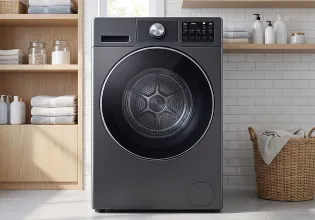
A dryer that runs for over an hour without drying a single load is one of the most common calls we get from Raynham homeowners — and in older single-family homes where the vent runs through a basement wall and out the back of the house, the culprit is often a clogged or kinked exhaust path rather than a failed heating element. That distinction matters, because it changes the fix entirely.
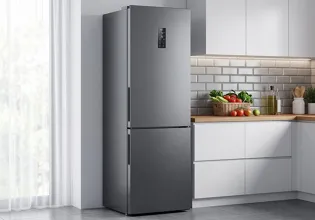
- Refrigerators that stop cooling often have condenser coils packed with dust, especially when the unit sits in a tight kitchen alcove with limited airflow behind it.
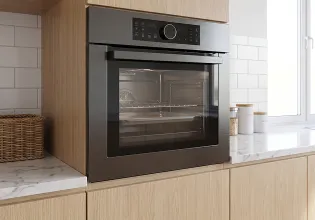
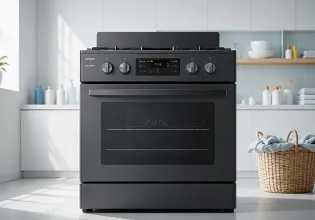
- Gas stoves that click but won't ignite — usually a clogged igniter port, though in homes with older gas lines the shutoff valve itself can be stiff enough to restrict flow. Worth mentioning to the technician before they start.
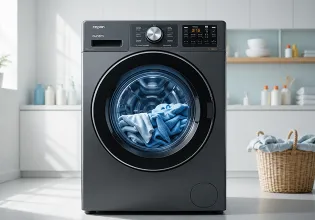
- Washers leaking from the bottom mid-cycle. We often see this when supply hoses haven't been replaced in years and the rubber has cracked, or when an older drain standpipe can't keep up with the pump speed of a newer machine.
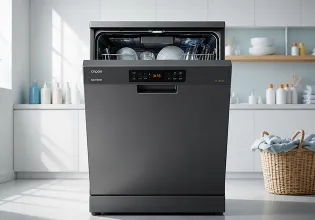
- Dishwashers that leave food residue on everything, which often traces back to a failed wash motor or a float switch stuck in the up position — not a detergent problem.
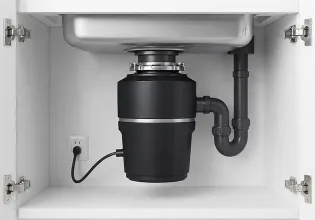
- Garbage disposals that hum but won't spin, almost always jammed by a small object wedged between the impeller plate and the grinding ring.
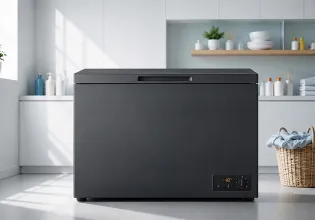
- Freezers building up heavy frost on one wall, typically a sign the door gasket has lost its seal or the defrost timer has failed.
- Dryers that overheat and shut off, then restart after cooling — a classic symptom of restricted venting that deserves attention before it becomes a fire risk.
Local Utility, Permit, Safety, and Disposal Factors in Raynham
When an appliance repair crosses the line into replacement or new installation, the Town of Raynham has specific permit requirements that homeowners should understand before work begins. If you're swapping out a gas stove, installing a new gas dryer, or replacing an oven that connects to a gas line, the installer has to pull a gas permit through the Raynham Building Department. The same applies to electrical work — adding a dedicated 240-volt circuit for an electric range or dryer means an electrical permit is required, and the work must be done by a licensed electrician. Plumbing permits come into play for dishwasher and garbage disposal installations that involve changes to water supply or drain connections. In every case, Massachusetts law requires that the contractor pulling the permit be properly licensed under state code. So before you agree to any installation, ask whether the company handles the permit or expects you to.
That last point catches people off guard. A repair technician who fixes your existing dishwasher motor doesn't need a plumbing permit. But the moment you're running a new water line or swapping drain fittings for a replacement unit, the Massachusetts plumbing and gas code kicks in. The same applies to gas connections — under 248 CMR, only a licensed gas fitter can connect a stove, oven, or gas dryer to the supply line. If someone offers to hook up your new range without mentioning permits, that's a red flag.
On the safety side, the Raynham Fire Department enforces residential fire prevention regulations that directly touch dryers and gas cooking equipment. Dryer lint buildup and improper venting are among the most common residential fire hazards the department addresses. If your dryer vent hasn't been cleaned in a couple of years — or if the flexible duct behind the machine is crushed against the wall — that's a problem worth fixing before it escalates. Gas appliance malfunctions also carry carbon monoxide risks, and the fire department's scope includes those hazards. If you smell gas near a stove or oven, shut it off and call for help before troubleshooting anything yourself.
Massachusetts fire prevention regulations under 527 CMR 1 back up the local enforcement, setting statewide standards for cooking equipment and dryer installations. The Raynham Fire Department enforces those standards at the town level. Similarly, Massachusetts electrical code requirements under 527 CMR 12 require electrical inspections after permitted appliance-related circuit work — including the dedicated circuits that high-draw appliances like electric dryers and ranges need. If your older home's panel doesn't have room for a new breaker, that's something to sort out before the new appliance arrives.
Raynham residents also have rights under the Massachusetts consumer protection law, Chapter 93A, which prohibits deceptive practices by service providers. If a repair company misrepresents the work needed or charges for parts that weren't replaced, homeowners can file a complaint with the Attorney General's office. The law allows double or triple damages for willful violations. Ask for an itemized invoice. Keep it.
What Makes Appliance Repair in Raynham Different
Raynham is a town of mostly single-family homes, many built decades ago, and that shapes the work in practical ways. Older homes often have electrical panels with limited breaker capacity, basement laundry setups with long dryer vent runs, and gas lines with shutoff valves that haven't been turned in years. When a technician arrives to diagnose a gas oven that won't heat, they may find the flex connector behind the range is an outdated style that should be replaced — and that replacement triggers a gas permit through the Building Department. In a newer subdivision, the same job might be straightforward. In a 1960s ranch, it often isn't.
Disposal is another area where Raynham works differently from some neighboring towns. You can't just drag a dead refrigerator to the curb on trash day. The Town DPW requires residents to schedule bulk item pickups in advance, and appliances containing refrigerants — like refrigerators and freezers — may need special handling before the town will collect them. That scheduling step is easy to overlook when you're focused on getting the new unit delivered, but skipping it means the old one sits in your garage or driveway until you sort it out.
Appliance Replacement and Household Equipment Considerations in Raynham
When a repair no longer makes financial sense — the compressor on a fifteen-year-old refrigerator, a cracked tub on a front-load washer — the next steps in Raynham involve more than picking out a new model. Start with disposal. The town's Raynham bulk item pickup program accepts large appliances including refrigerators, freezers, washers, and dryers, but you need to schedule the pickup through the DPW ahead of time. Refrigerant-containing units like fridges and freezers may require special handling before they're eligible for curbside collection, so call before you assume it's a simple pickup.
Raynham Department of Public Works
765 South Street
Raynham, MA 02767
Phone: (508) 824-2707
Official Website
On the installation side, the permit requirements covered earlier apply in full. A new gas range means a gas permit. A new dishwasher with modified plumbing connections means a plumbing permit. Swapping an electric dryer for a gas model means both a gas permit and potentially electrical work to cap the old circuit. Ask your installer to confirm which permits they'll pull — and verify with the Raynham Building Department at (508) 824-2707 if anything seems unclear. Older Raynham homes sometimes have original copper or galvanized drain lines under the kitchen sink, and connecting a new garbage disposal to aging plumbing can reveal corrosion that needs attention before the disposal will drain properly. A licensed plumber will catch that; an unlicensed handyman usually won't.
For high-draw electric appliances — electric ranges, electric dryers, large freezers — check whether your panel can support a dedicated circuit before the new unit is delivered. In many older Raynham homes, the panel is already close to capacity, and adding a 40-amp breaker for a new range isn't always a simple swap. An electrician will need to assess the panel, pull an electrical permit, and schedule an inspection after the work is complete.
Areas We Serve Throughout Raynham
We provide appliance repair service to homes throughout the Town of Raynham. The housing stock varies across town — from older homes near the center to newer construction further out — and each layout brings its own quirks when it comes to appliance access, venting, and hookups. Whether your washer is in a first-floor laundry closet or tucked in an unfinished basement with low ceiling clearance, we work with the space you have. Every Raynham address falls within our service area, and the same town permit and disposal rules apply regardless of where in town you're located.